Colour Ringing for Conservation in the Garden Route
Following individual birds to understand, protect and conserve our local birdlife

Every bird has a story. Colour ringing allows us to follow those stories over many years—identifying individual birds, tracking their movements and survival, and building a much deeper understanding of their breeding biology and population health.
Around Plettenberg Bay and the wider Garden Route, long-term colour-ringing programmes are providing valuable information on both our coastal and terrestrial bird communities.
Coastal Birds: Kelp Gulls, African Oystercatchers & White-fronted Plovers
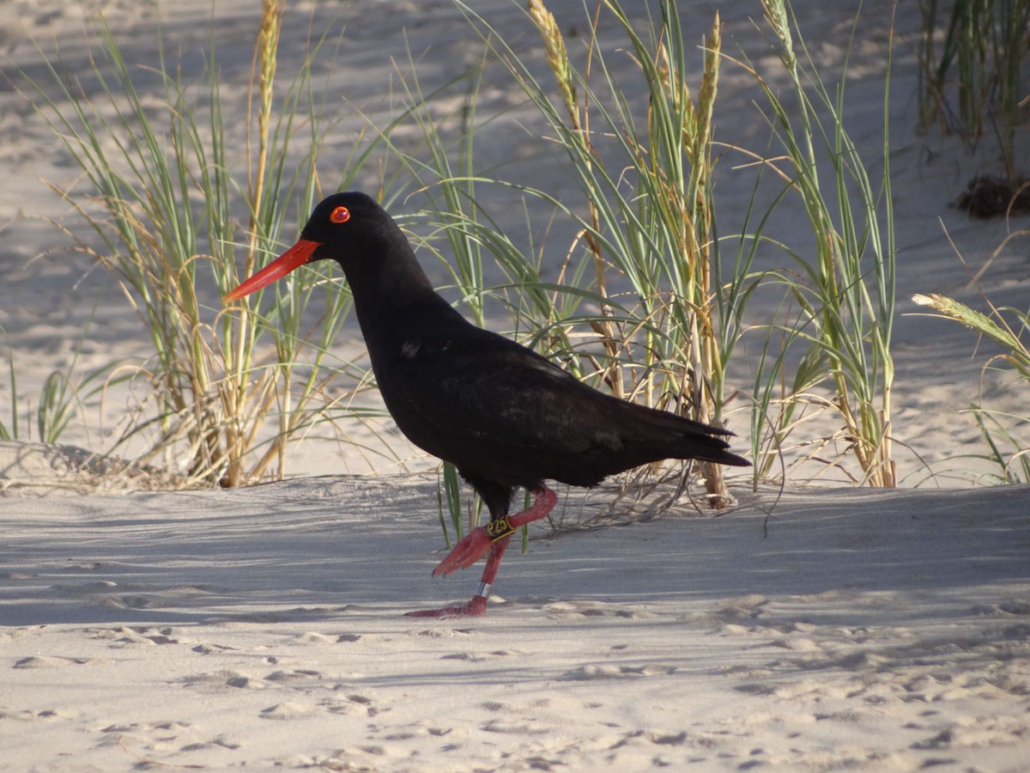
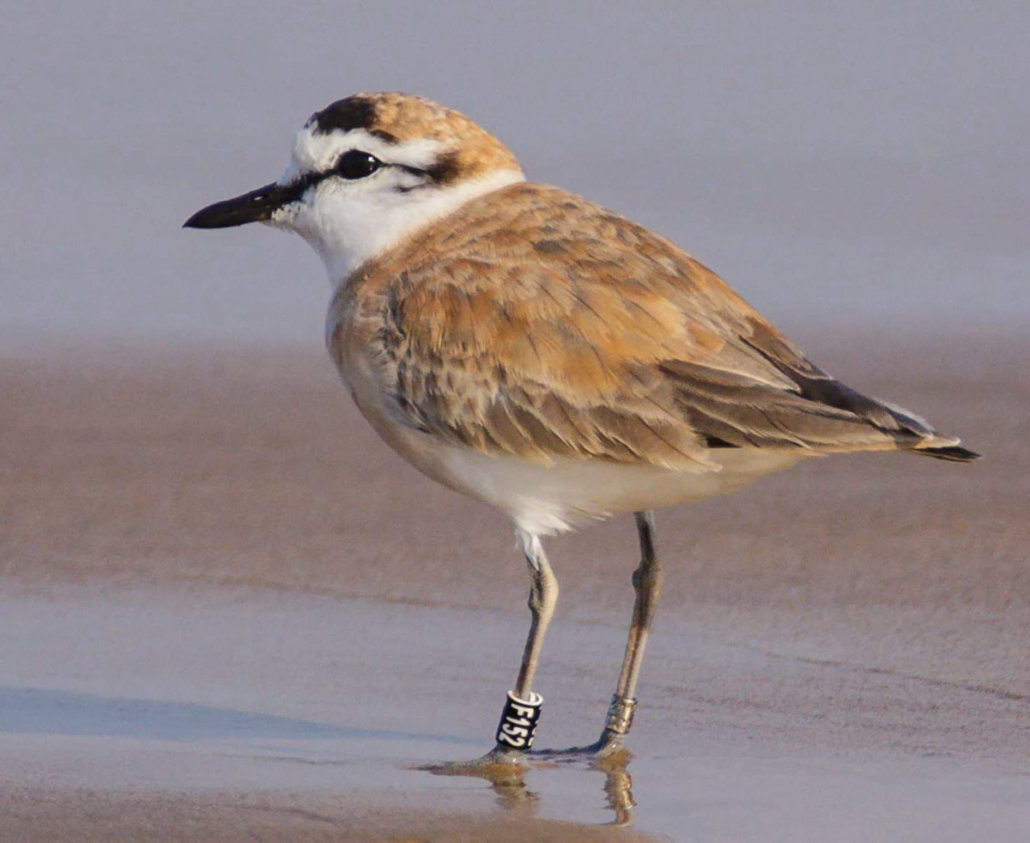
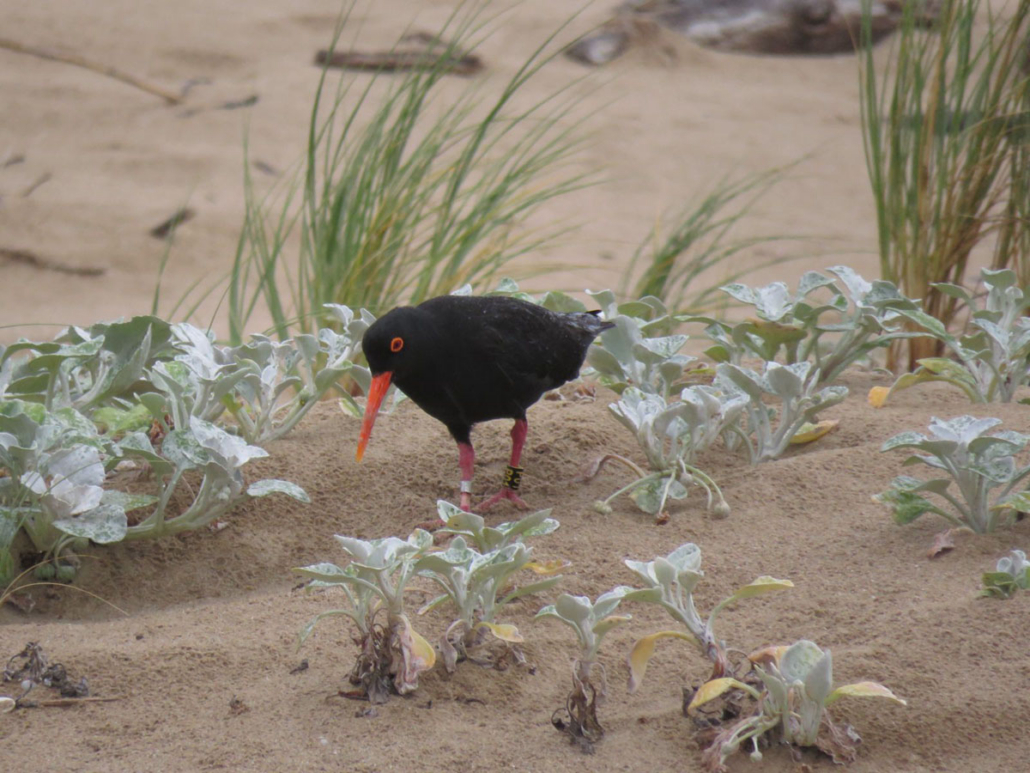
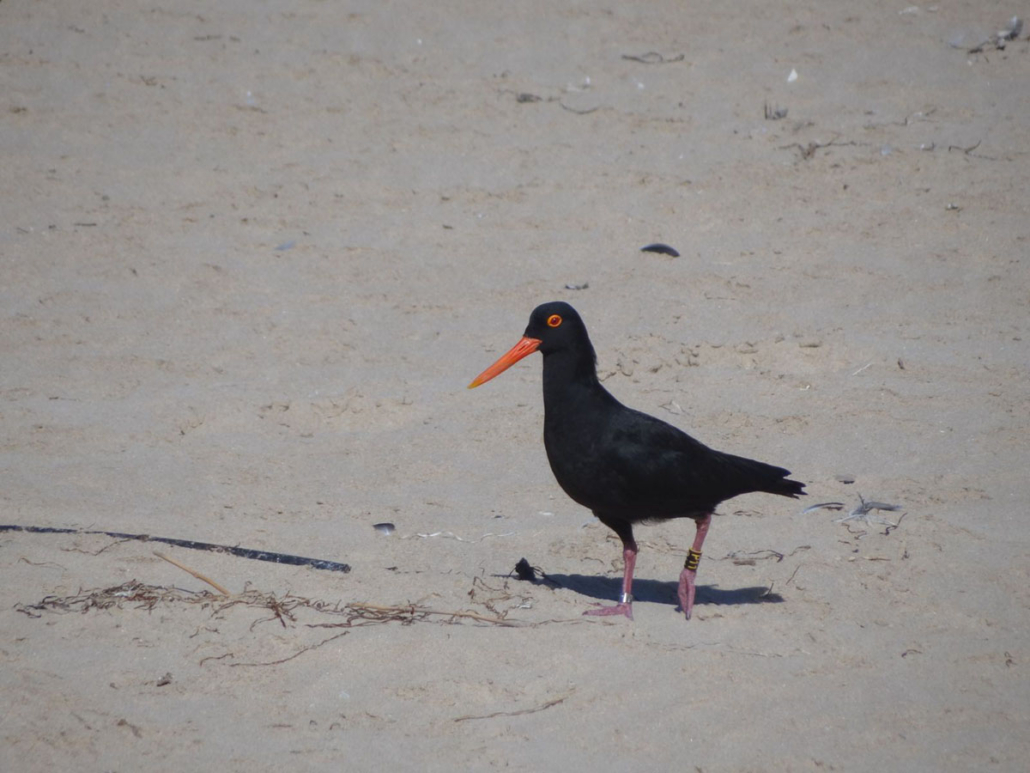
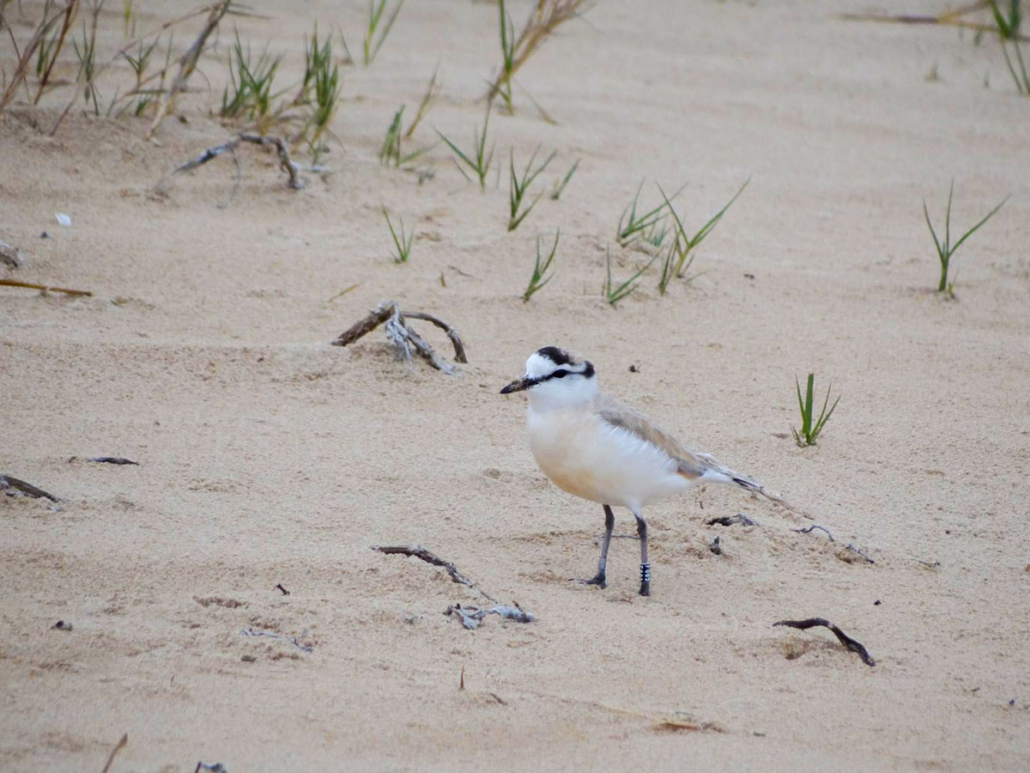
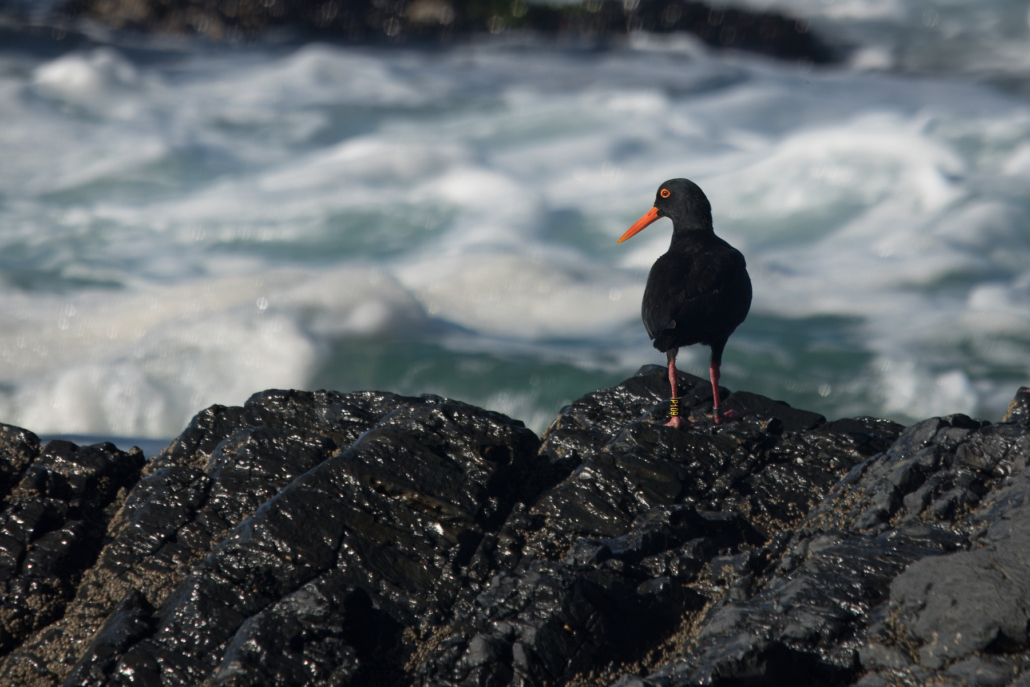
Our coastal ringing programme focuses on three important breeding species: Kelp Gulls, African Oystercatchers and White-fronted Plovers.
By giving individual birds unique colour-ring combinations, we can identify them without having to recapture them. A bird seen on a beach years after it was ringed can tell us where it has returned, whether it is still with the same partner, whether it has successfully bred and, in the case of chicks, whether they have survived into adulthood.
For breeding birds, repeated observations allow us to build long-term records of:
• Breeding success and chick survival
• Pair bonds and territory use
• Adult survival and site fidelity
• Movements between breeding sites
• Responses to human disturbance and changing coastal conditions
This is particularly valuable along the Garden Route, where beaches and coastal habitats are under increasing recreational and developmental pressure. The African Oystercatcher programme around Plettenberg Bay, Keurboomstrand and Nature’s Valley has been running since 2014 and specifically supports research into breeding birds and the effects of anthropogenic disturbance. The Lakes Bird Club programme has operated even longer, monitoring nests at Knysna, Brenton and Sedgefield for 30 years now!
Long-term datasets such as these become increasingly valuable with every additional breeding season. They allow us to distinguish short-term fluctuations from genuine changes in populations and provide evidence that can inform practical conservation and beach management.
Garden Route Buzzard Project
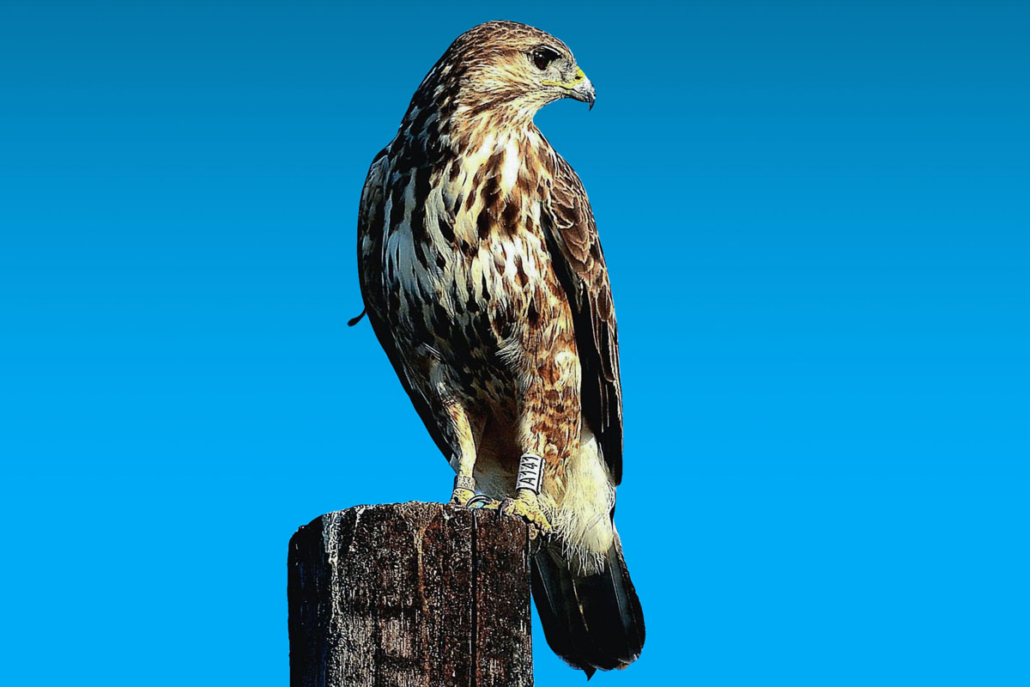
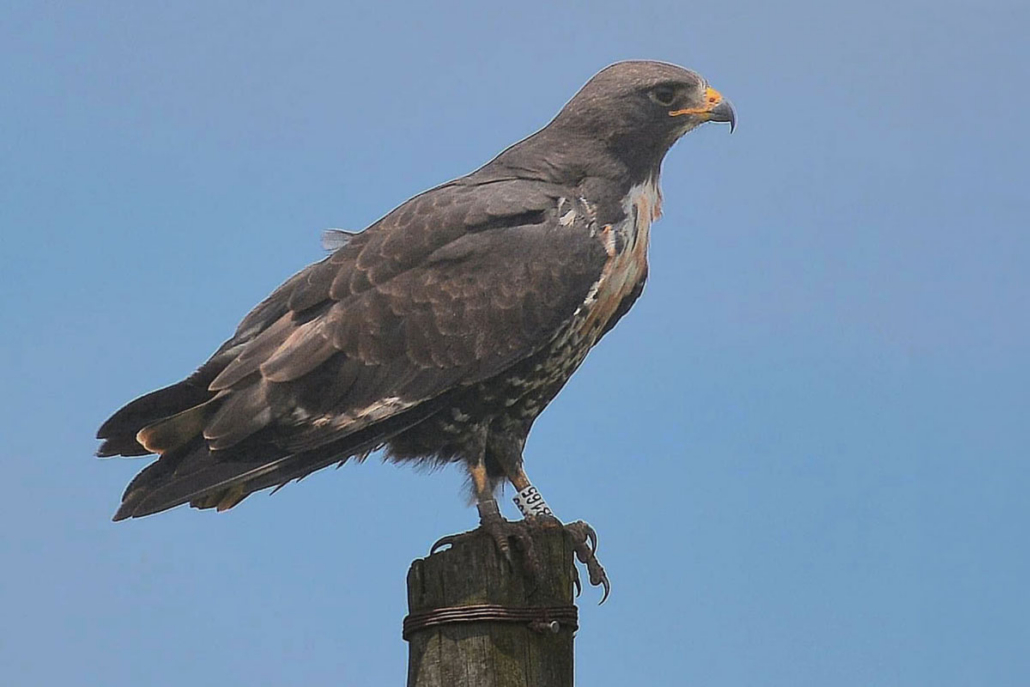
Since 2018, colour ringing has also been used by a dedicated team of ringers to study Jackal Buzzards and Forest Buzzards across the Garden Route, from Tsitsikamma to George.
These individually marked birds allow us to investigate questions such as:
• How long individual buzzards survive
• Whether birds remain in the same territories
• Where young birds disperse after leaving their natal territories
• How breeding pairs use and defend their territories
• How habitat changes may influence these important raptors
Because buzzards occupy relatively large territories and can be difficult to study through conventional observation alone, identifying individuals provides an important window into their movements, breeding and population dynamics.
Why does this matter?
The real value of colour ringing comes over time.
A single ringing event is simply a bird with a unique identity. Ten years of sightings can become a dataset describing survival, reproduction, movement and population change.
And importantly, every sighting contributes. A birdwatcher photographing a colour-ringed gull on the beach, an oystercatcher feeding beside a river mouth, or a buzzard perched beside a road can potentially add another piece to the story.
The funds raised through the Bitou Birding Festival Opening Dinner will help support this ongoing work—covering the equipment, fieldwork and monitoring required to maintain these long-term datasets.
By supporting colour ringing, you are helping us turn individual bird sightings into long-term conservation knowledge for the Garden Route.
Photos courtesy of Dr.Mark Brown and the Garden Route Buzzard project.
More avian conservation initiatives funded by your support

Plett Stranding Network
Funds raised through the Pelagic Birding Expedition
27 & 30 October
The proceeds of the Pelagic Birding Expedition all goes towards funding the Plett Stranding Network for the incredible work they do in rescuing local marine and bird life stranded on our coastline.

Tenikwa Wildlife Rehabilitation Centre
Funds raised through the behind the scenes tour of Tenikwa’s rehabilitation facility.
27 October
The proceeds of the special behind the scenes tour of the Tenikwa Rehabilitation centre all goes towards Tenikwa directly. Funds are used for the vital work they do in the rehabilitation and rescue of wild sea birds, including Cape Cormorant and Endangered African Penguin.

Raptor Rescue Rehabilitation Centre
Funds raised through the special “Parliament of Owls” evening event.
30 October
All the profits of this unique night time experience will go directly to Raptor Rescue Plettenberg Bay for the invaluable work they do on the Garden Route in the rescue, rehab and release of raptors in our area.

Conserve Eden
Funds raised through the bird ringing demonstrations hosted by Dr. mark Brown of Conserve Eden.
24 & 29 October
Through the Bird Ringing demonstrations Dr. Mark Brown raises funds for local bird ringing work, including training of new ringers and start up equipment for them. The local bird ringing projects provide vital data for research of local bird populations.